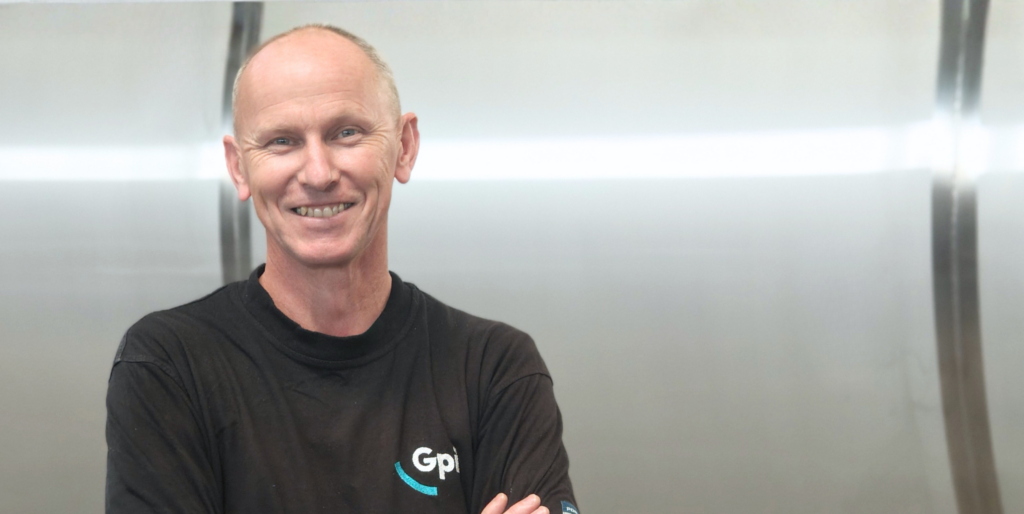
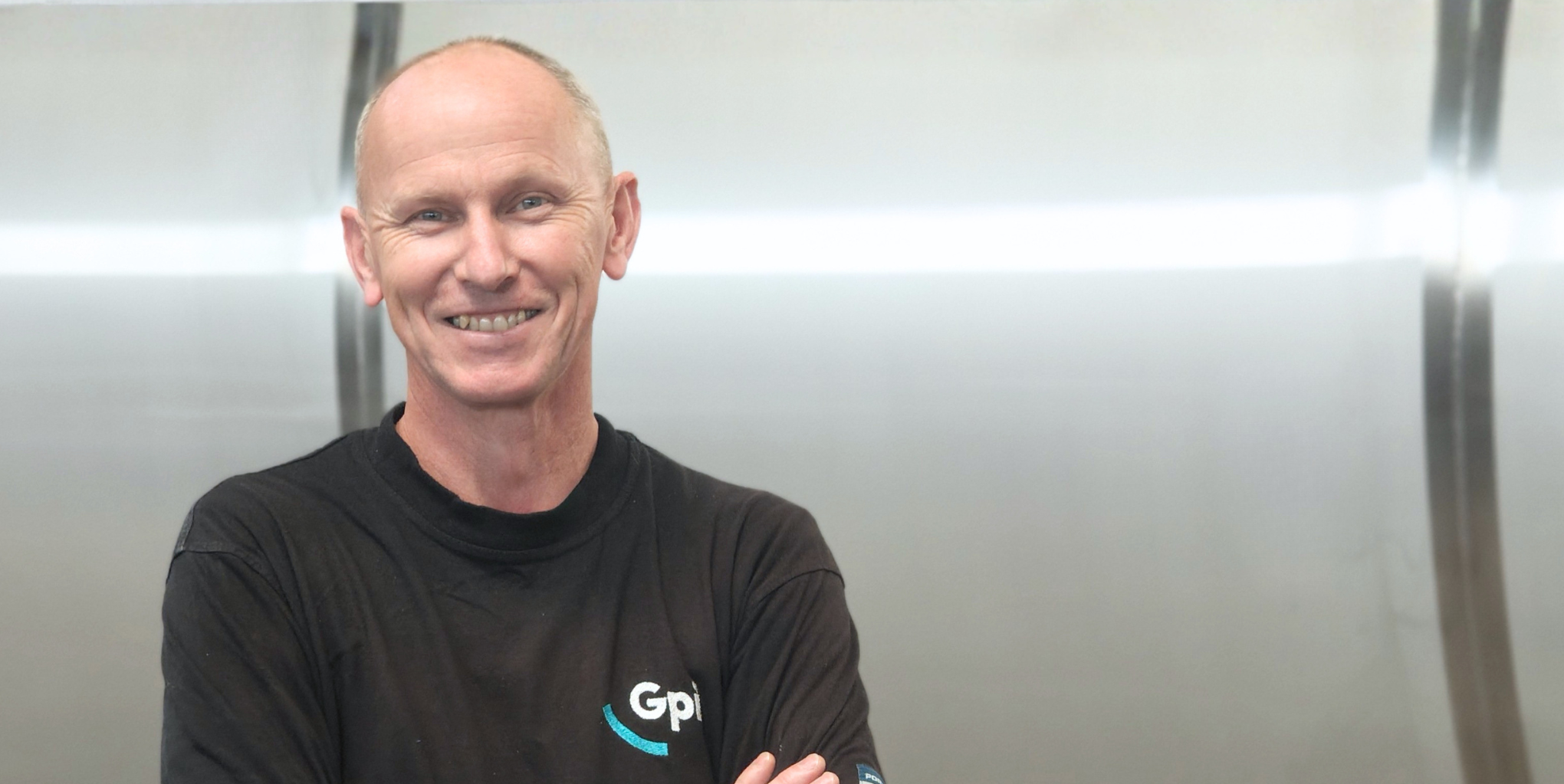
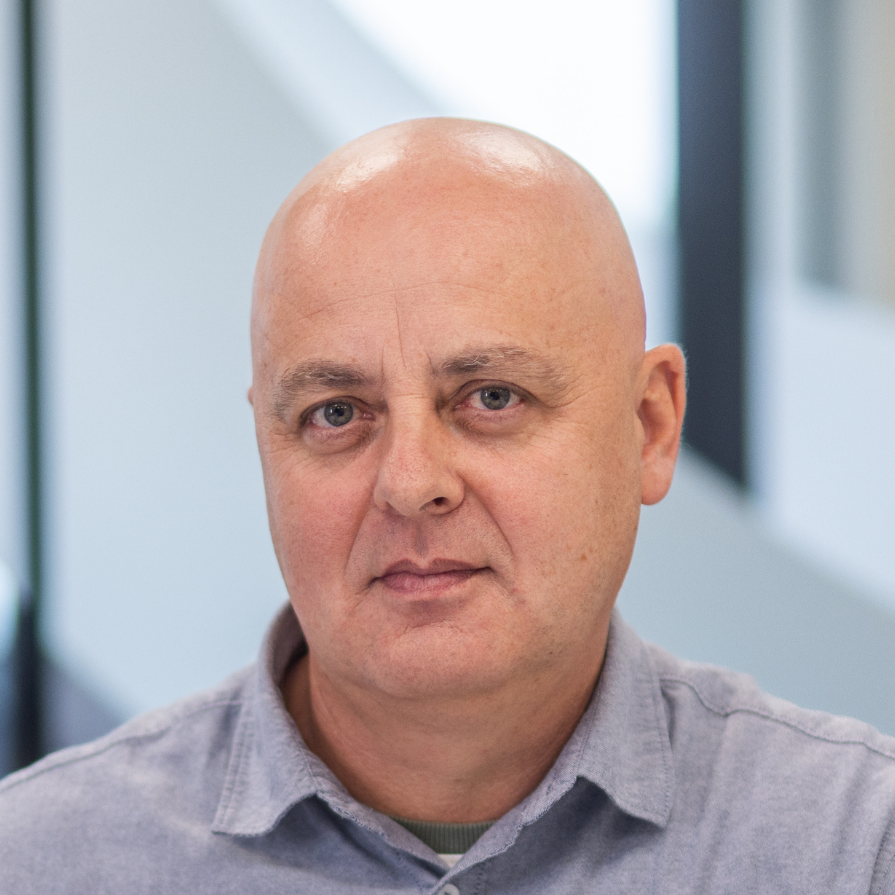
The path from welder to foreman is a natural result of gaining experience, commitment and the way everyday work is carried out. This was the case for Dariusz Osiecki, who today, as a foreman at Gpi Schwarte, is responsible for organising the team’s work and supervising the tasks being carried out.
From welding to team management
Dariusz Osiecki’s interest in the profession was inspired by his father. “My professional journey began with my dad. My dad was a welder, and I followed in his footsteps,” he says.
He also began his career working in welding. The following years brought further experience, development of his skills and gradual progression through the next stages of his career. As he emphasises, the path to his current position was a process, and becoming a foreman was not a goal he had planned from the beginning.
“I think that simply because of the way I worked, I was noticed and became who I am today,” Dariusz emphasises.
The experience he previously gained as a fitter-welder is now one of the most important tools in his daily work. Practical knowledge of production allows him to properly assess employees’ skills and assign the right tasks to the right people.
"As a fitter and welder, I have experience that helps me assess others and assign them the right work."

Planning, organisation and responsibility
A foreman’s day at Gpi Schwarte begins with a morning meeting. The next step is to plan and distribute tasks among the team members. Once the tasks have been assigned, the focus shifts to supervision and compliance with health and safety regulations.
Among the most important elements of his work, Dariusz mentions planning, organisation and control over what is happening in production. A foreman must continuously monitor the progress of ongoing work and respond to emerging needs.
Practical experience is particularly important in this case. A person managing a team understands the specifics of the tasks being performed, which means they can not only organise the work properly, but also understand the challenges that production employees face every day.
A good team means a good atmosphere
Managing a production team is not only about planning tasks and keeping track of deadlines. For Dariusz, one of the greatest challenges, and at the same time one of the most important elements of a foreman’s work, is creating the right atmosphere.
“The most important element of a foreman's work is creating a good working environment and a good atmosphere at work.”
Appreciating employees also plays an important role for him in building a team. This does not require complicated methods of motivation, but simply letting someone know that their work has been noticed. “You have to praise people for a job well done and be able to tell them that they did something well,” he notes.
His team is also one of the greatest sources of his professional satisfaction.

Every well-executed project is a reason to be proud
In production work, the results of the entire team’s efforts are very tangible. A finished tank leaving the facility is the culmination of many stages of work and the commitment of many different people.
When asked about a project he is particularly proud of, Dariusz does not point to one specific project. “I am proud of all the projects. All those that left our facility and were completed correctly are a reason for me to be proud,” he emphasises.
This approach also reflects the way he sees the role of a foreman. In his opinion, a person in this position should above all be assertive, objective and firm. However, there is no single universal way to manage a team.
“If someone has the qualities needed to be a foreman, they will develop their own way of working and know what to do. Every foreman is different,” he adds.
Build more and keep getting better
For the coming years, Dariusz has set a simple but specific goal for himself and his team: further development and continuous improvement in the quality of their work.
“Build more. Build well and keep getting better. With better and better quality,” he concludes.
His professional journey shows that development does not always have to result from a previously prepared plan. Experience gained through successive tasks, understanding the work from the ground up and a responsible approach to one’s duties can, over time, open the door to new roles. In Dariusz Osiecki’s case, they led him from working as a welder to a position in which he is now responsible not only for completing tasks, but above all for people.